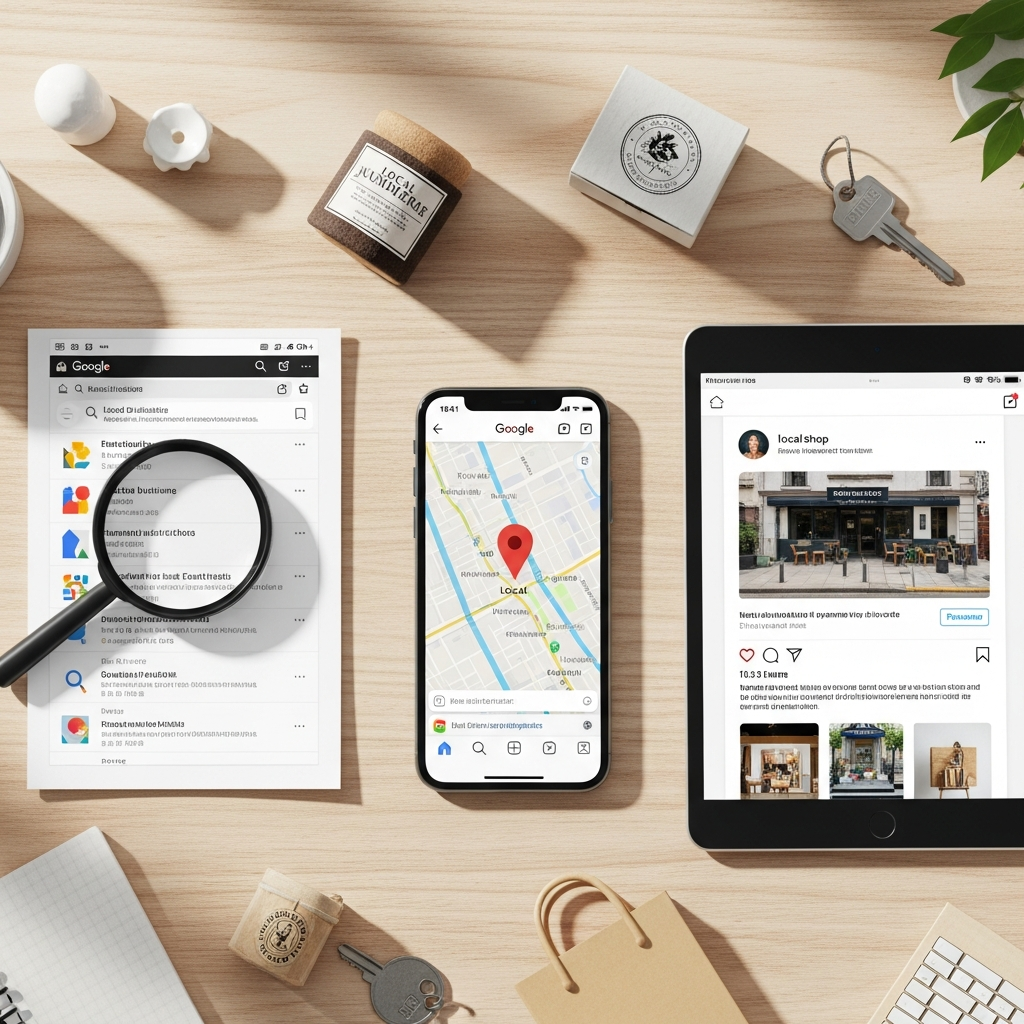
Local SEO vs Social Media Marketing, Which Drives More Foot Traffic
TL;DR
Local SEO captures people actively searching to buy nearby, while social media builds awareness over time, so each drives foot traffic in different ways.
- Use local SEO to reach high intent searchers who are ready to visit and spend right now.
- Strengthen local rankings by claiming your business profile, collecting reviews, and keeping your name, address, and phone consistent.
- Lean on social media to build awareness and relationships with people who discover you while scrolling, not searching.
Understanding the Battle for Foot Traffic
When it comes to local seo vs social media marketing, every small business owner who wants more people walking through the door knows that local SEO basics play a key role. However, the question is how to get those people there, and two powerful tools dominate the conversation. When it comes to local SEO vs social media marketing, both promise results, but they work in very different ways. Local SEO and social media marketing each pull people toward your b
Ultimately, knowing the difference helps you choose wisely. In the local SEO vs social media marketing comparison, local SEO focuses on helping people find you when they search. For example, picture someone typing “coffee shop near me” into their phone.
That search moment is pure intent. Social media marketing works differently. It builds awareness and relationships over time.
In contrast, people discover you while scrolling, not while searching. Both can drive foot traffic. The trick is knowing when each one shines.
Wondering which channel pulls people through your door? AutoMarketer AI can optimize your blog content for local search while writing posts for Facebook, Instagram, and X.
Learn more →Let’s break it down.
How Local SEO Brings People to Your Door
Local SEO connects you with people who are ready to act. They already want what you offer. They just need to find you fast.
When your business shows up in local search results, you win attention at the perfect moment. Someone hungry, in a hurry, or shopping nearby sees your name first. Your business listing plays a huge role here.
For example, a complete profile with hours, photos, and reviews builds instant trust. People click, then visit. Local SEO also rewards consistency.
Accurate details across the web tell search engines you’re legit, and that reliability pushes you higher in the rankings. Here are a few things that strengthen your local SEO:
- Claiming and updating your business profile
- Collecting genuine customer reviews
- Using local keywords on your website
- Keeping your name, address, and phone consistent
- Adding fresh photos of your space and products
Not all website visitors are equal. Someone searching for a specific service in their town is far closer to buying than a random browser. Ultimately, local SEO taps straight into that high value moment.
Consider two visitors. One reads a blog post about coffee trends. The other types “best espresso downtown open now” into their phone.
The second person is ready to spend money in the next ten minutes. That’s why local SEO can deliver such a strong return. You’re not trying to spark interest from scratch.
Instead, you’re simply meeting demand that already exists in your neighborhood. This is one of the clearest gaps in the local SEO vs social media marketing picture. Mobile searches make it even more urgent. Most “near me” queries happen on phones while people are out and about.
They want directions, hours, and a quick decision, and a clean listing gives them all three in seconds. Here are signals that tell search engines you deserve a top local spot:
- Frequent, recent reviews with detailed feedback
- Quick replies to both positive and negative reviews
- Posts and updates inside your business profile
- Backlinks from local news sites or community pages
- Mentions of your city or neighborhood in your content
How Social Media Marketing Builds Buzz
Social media marketing works on emotion and connection. Furthermore, it shows people who you are before they ever need you, and that familiarity matters. When someone sees your posts often, they start to trust you.
They feel like they know your team, and that feeling brings them in when the time is right. Social platforms are great for showing personality. For example, you can share behind-the-scenes moments, daily specials, and happy customers.
That content feels human and warm. Social media also spreads through sharing. A single post can reach friends of friends, and that ripple effect introduces you to new local faces.
Still, social media takes time to pay off. People may follow you for weeks before visiting. The relationship has to grow first.
Posting for the sake of posting rarely works. However, the businesses that win on social share content with a clear purpose. They give people a reason to care and a reason to show up.
Local relevance is your secret weapon. A bakery can post about a neighborhood festival. A salon can spotlight a regular celebrating a birthday.
Ultimately, those small touches make followers feel part of a community. Visual content tends to perform best. Photos of fresh products, short videos of your team at work, and quick clips of happy customers all stop the scroll.
People connect with faces and places they recognize. Timing matters too. For example, posting a lunch special at eleven in the morning reaches hungry people right when they’re deciding where to eat.
Line your content up with daily routines and scrolling turns into walking through your door. Try these post ideas to spark more foot traffic:
- Limited time offers that expire the same day
- Behind the scenes peeks at how you make things
- Customer spotlights and shared photos
- Quick polls asking what to feature next week
- Announcements about events, hours, or new arrivals
Comparing Intent and Reach
The biggest difference in the local SEO vs social media marketing debate comes down to intent. Local SEO captures people who are already looking. In contrast, social media reaches people who aren’t looking yet.
Intent matters for foot traffic. A ready buyer needs less convincing, which is why local SEO often drives faster visits to your store. But reach matters too.
Social media puts your brand in front of huge audiences, and some of those viewers become tomorrow’s customers. Think of it this way. Local SEO catches the demand that exists today.
Meanwhile, social media creates demand for the future. Neither one wins in every case. When you frame local SEO vs social media marketing this way, they serve different stages of the customer journey, and therefore smart owners use both.
Why You Should Not Choose Just One
Here’s the truth a lot of people miss. When you weigh local SEO vs social media marketing, the two work best together. In fact, they feed each other in powerful ways.
Your social posts can point people to your website. That traffic signals value to search engines, and over time it can help your local SEO. Meanwhile, strong local SEO gives social followers an easy next step.
They search your name, find your listing, and visit. The handoff feels seamless. Reviews tie both worlds together.
For example, happy customers leave reviews after visiting, and those reviews boost your local SEO while giving you content to share. Here’s how the two support each other:
- Social posts drive website clicks and brand searches
- Local SEO captures the people social media inspired
- Reviews fuel trust on both channels
- Consistent branding makes you easy to recognize everywhere
You don’t have to pick a side. Ultimately, you just need a plan that uses both well.
A Simple Weekly Plan to Combine Both
Knowing the strategy is one thing. Putting it into practice is another. The good news is you can blend both sides of local SEO vs social media marketing with a light, repeatable routine.
Start with your foundation. Spend one afternoon making sure your business profile is complete and accurate. Add photos, list your hours, and double check your address.
As a result, that work pays off for months. Then build a steady social rhythm. You don’t need to post every day.
Three or four quality posts a week keeps you visible without overwhelming you or your audience. Finally, close the loop with reviews. After a busy day, send a quick thank you to a happy customer and ask them to leave a review.
Share the best ones on social to keep the cycle turning. Follow this simple weekly checklist to stay on track:
- Monday: Plan three posts and a local offer for the week
- Wednesday: Share a behind the scenes photo or video
- Friday: Post a weekend special tied to a local event
- Daily: Reply to comments and new reviews quickly
- Monthly: Refresh your business profile photos and details
This kind of routine keeps both channels active. Over time the momentum builds, and as a result the two start reinforcing each other naturally.
Making It All Work Without Burning Out
Running both channels sounds exhausting. Most small business owners are short on time, and that fear keeps a lot of people from starting at all. The good news is you don’t have to do it alone.
Furthermore, smart tools can handle the heavy lifting, which frees you to focus on customers. Posting consistently is the hardest part of social media. Skipping a week breaks your momentum fast.
Therefore, automation keeps your presence steady without daily effort. At AutoMarketer AI, we make that simple. The AI writes, schedules, and posts your content to Facebook, Instagram, and X automatically, all from one dashboard.
You don’t need marketing expertise to grow. Ultimately, you just need the right system working behind the scenes, and that’s exactly what we built. Ready to bring more people through your door?
Reach out to AutoMarketer AI today and see how easy growth can be. Ultimately, we’ll help you win more foot traffic with less work, no matter where you land on local SEO vs social media marketing.
Frequently Asked Questions
What is the main difference between local SEO and social media marketing?
Local SEO helps people find your business when they actively search for what you offer, capturing high intent moments like someone typing 'coffee shop near me.' Social media marketing builds awareness and relationships over time, reaching people while they scroll rather than when they search. Both can drive foot traffic, but they work at different stages of the customer journey.
Why does local SEO drive such high quality foot traffic?
Local SEO connects you with people who are already ready to act and just need to find you quickly. Someone searching for a specific service in their town is far closer to buying than a random browser. You are meeting demand that already exists in your neighborhood rather than trying to spark interest from scratch.
What steps can I take to strengthen my local SEO?
Start by claiming and updating your business profile, collecting genuine customer reviews, and using local keywords on your website. Keep your name, address, and phone number consistent across the web, and add fresh photos of your space and products. These actions build trust and signal to search engines that your business is legitimate.
Why are reviews so important for local SEO?
A complete profile with reviews builds instant trust, encouraging people to click and then visit your location. Frequent, recent reviews with detailed feedback are a strong signal that tells search engines you deserve a top local spot. Replying quickly to both positive and negative reviews also helps your ranking.
How does mobile search affect local SEO results?
Most 'near me' queries happen on phones while people are out and about, which makes mobile searches especially urgent. These users want directions, hours, and a quick decision, so a clean and complete listing gives them everything they need in seconds. This immediacy is why local SEO can turn a search into a visit within minutes.
What signals tell search engines my business deserves a top local ranking?
Key signals include frequent and recent reviews with detailed feedback, quick replies to reviews, and regular posts or updates inside your business profile. Backlinks from local news sites or community pages also help, as do mentions of your city or neighborhood in your content. Consistency and accuracy across the web reinforce these signals.
Leave a Comment
Your email will not be published or shared. We use it only to follow up if needed.