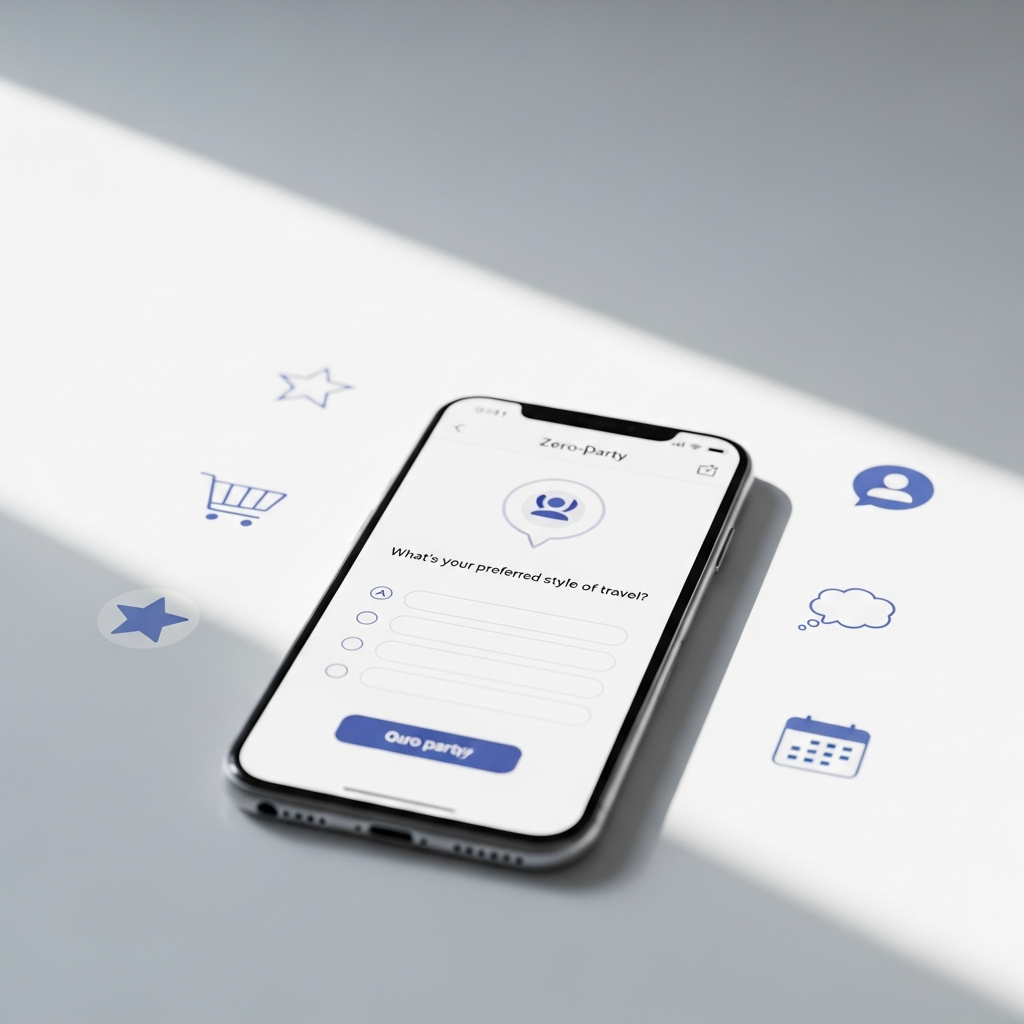
Zero-Party Data: Collect Customer Info They Willingly Share
TL;DR
Zero-party data is information customers choose to share, giving you accurate insight into what they want without tracking them behind the scenes.
- Ask customers directly for their preferences through short sign-up questions, polls, quizzes, or a single checkout question.
- Use stated preferences to pick topics your audience actually cares about, then let AutoMarketer AI write and post the content after your approval.
- Turn what subscribers tell you into relevant emails, including a weekly newsletter written from your recent posts.
What Zero-Party Data Really Means
Zero-party data is information customers hand you on purpose. They choose to share it, plain and simple. You do not guess it, and you do not track it behind the scenes.
For example, think of a quick survey answer someone gives after a purchase. Or a preference they pick at sign-up, like the product line they care about most. That is zero-party data in action, freely given and clearly stated.
This differs sharply from data pulled from cookies or hidden tracking. Here, the customer knows exactly what they are giving and why. As a result, that builds trust from the very first interaction, before you ever send them anything.
For a small business, this matters more than ever. Privacy rules keep tightening year after year. Meanwhile, ordinary people care more and more about how their information gets used and who has access to it.
Turn the info customers willingly share into a weekly newsletter written from your recent posts, keeping subscribers engaged with content they actually want.
Learn more →Zero-party data lets you market smarter without ever feeling creepy. You learn what people actually want in their own words. Then you give it to them, which is exactly what good marketing should do.
Why Zero-Party Data Beats Guesswork
Guessing what your customers want wastes time and money. You send offers that miss the mark completely. Furthermore, you post content that nobody cares about, and your engagement quietly drops.
With zero-party data, the guessing stops. Customers tell you their interests directly, so there is nothing to interpret. You respond with the right message to the right person, and that alone lifts your results.
This kind of data is also far more accurate than tracked behavior. A trail of clicks can mislead you badly. A single click on a product does not reveal whether someone loves it, hates it, or clicked by accident.
But a stated preference is clear and reliable. Someone who says they love a product means it. As a result, that clarity helps you plan every campaign with real confidence instead of hope.
Here are a few things zero-party data can tell you:
Which products a customer actually wants to hear about, so you stop promoting the ones they ignore. How often they want emails or texts, which keeps you from wearing out your welcome. What topics matter most to them, so your blog and social posts land. And their favorite way to be contacted, whether that is email or a text message.
Simple Ways to Collect Zero-Party Data
You do not need fancy tools or a big budget to start. In fact, small, friendly asks work best. Keep them short, keep them clear, and make them easy to answer in seconds.
A sign-up form is a great place to begin. Ask one or two preference questions right there, like which category interests them. However, do not overwhelm new subscribers with a long list of fields, or many will abandon the form.
Polls and quizzes also work well. People genuinely enjoy sharing their opinions. A quick poll on your social channels feels like fun, not a chore, and it gives you honest answers in return.
You can also ask at checkout, when interest is already high. A single question about interests goes a long way. Keep it optional and light so it never gets in the way of the purchase.
Try a few of these easy methods: add a preference checkbox to your newsletter sign-up so people opt into topics they care about. Run a short poll on your social channels and let the replies guide your next posts. Ask one simple question after a purchase, then note what they say. And invite feedback in a follow-up email, which also reopens the conversation.
Turning Zero-Party Data Into Better Content
Once people share, use what they tell you right away. Match your content to their stated interests instead of your assumptions. This is what keeps them engaged over the long run.
Say a customer tells you they love a certain product line. You can focus posts and emails on it and skip the rest. As a result, they feel seen and valued, and they keep paying attention.
AutoMarketer AI helps here in a real, practical way. It writes social posts in your business voice, so the message sounds like you. Additionally, it posts to Facebook, Instagram, and X for you on the dates and times you choose.
It also writes blog posts for your website. You can build clusters of related posts around one topic, and they link together naturally so readers move from one to the next. That works especially well when a topic is one your audience told you they want.
When you know what your audience cares about, you pick better topics from the start. Then the tool does the writing. You review and approve every post before it goes out, so you always stay in control of the final message.
Using Zero-Party Data With Email and Newsletters
Email is where zero-party data really shines. People already told you what they want. Therefore, you can send it straight to them without second-guessing.
AutoMarketer AI sends a weekly newsletter to your subscribers. It writes it from your recent posts, so it always reflects what you have been sharing. That keeps your list active and reminds people you are still there.
It also manages sign-ups and unsubscribes for you. So your list stays clean and up to date without manual effort. That means less busywork and fewer messages going to people who have moved on.
You choose which provider sends your email. As a result, that gives you real control over how your messages go out. Everything stays in your hands, the way it should be.
When your content matches what people asked for, they open more emails. They stay subscribed longer and complain less. Ultimately, zero-party data makes that steady engagement possible.
Building Trust With Zero-Party Data
Trust is the heart of zero-party data. People share when they feel respected, not tricked. Therefore, always be honest about what you are asking and why.
Tell customers plainly why you want their information. Explain how it helps them get content and offers they actually want. Furthermore, a clear reason boosts your response rate, because people answer when the value is obvious.
Never overask or come across as pushy. One or two questions at a time is plenty. Respect their time and their privacy, and they will trust you with more later.
When you use their input well, they notice the difference. They get content that fits their interests instead of generic blasts. Ultimately, that loyalty pays off over time in repeat business and word of mouth.
Ready to put zero-party data to work? AutoMarketer AI helps you turn what customers share into posts, blogs, and newsletters they love. Therefore, get in touch today to learn how we can help your small business grow.
Frequently Asked Questions
What is zero-party data and how is it different from tracking?
Zero-party data is information customers share with you on purpose, like a survey answer or a preference they pick at sign-up. It differs from data pulled from cookies or hidden tracking because the customer knows exactly what they are giving. That openness builds trust from the start.
Why should a small business collect zero-party data instead of guessing?
Guessing what customers want wastes time and leads to offers that miss the mark. Zero-party data comes straight from the customer, so it is more accurate than tracked behavior that can mislead you. A stated preference is clear, and that clarity helps you plan every campaign.
What kinds of things can zero-party data tell me about my customers?
It can tell you which products a customer wants to hear about and how often they want emails or texts. It can also reveal what topics matter most to them and their favorite way to be contacted. These details let you send the right message to the right person.
What are some simple ways to start collecting zero-party data?
You do not need fancy tools to begin. Add a preference checkbox to your newsletter sign-up, run a short poll on your social channels, or ask one optional question after a purchase. You can also invite feedback in a follow-up email, keeping every ask short and friendly.
How can AutoMarketer AI help me act on what customers share?
Once you know what your audience cares about, you can pick better topics, and AutoMarketer AI does the writing. It writes social posts in your business voice and posts them to Facebook, Instagram, and X for you. It also writes blog posts for your website, and you review and approve every post before it goes out.
Can AutoMarketer AI use zero-party data with my email and newsletters?
AutoMarketer AI sends a weekly email newsletter to your subscribers, written from your recent posts, and it manages sign-ups and unsubscribes. When you know the preferences people have shared, you can shape the recent posts your newsletter draws from around the topics they care about. This keeps your list engaged with content they actually want.
Leave a Comment
Your email will not be published or shared. We use it only to follow up if needed.