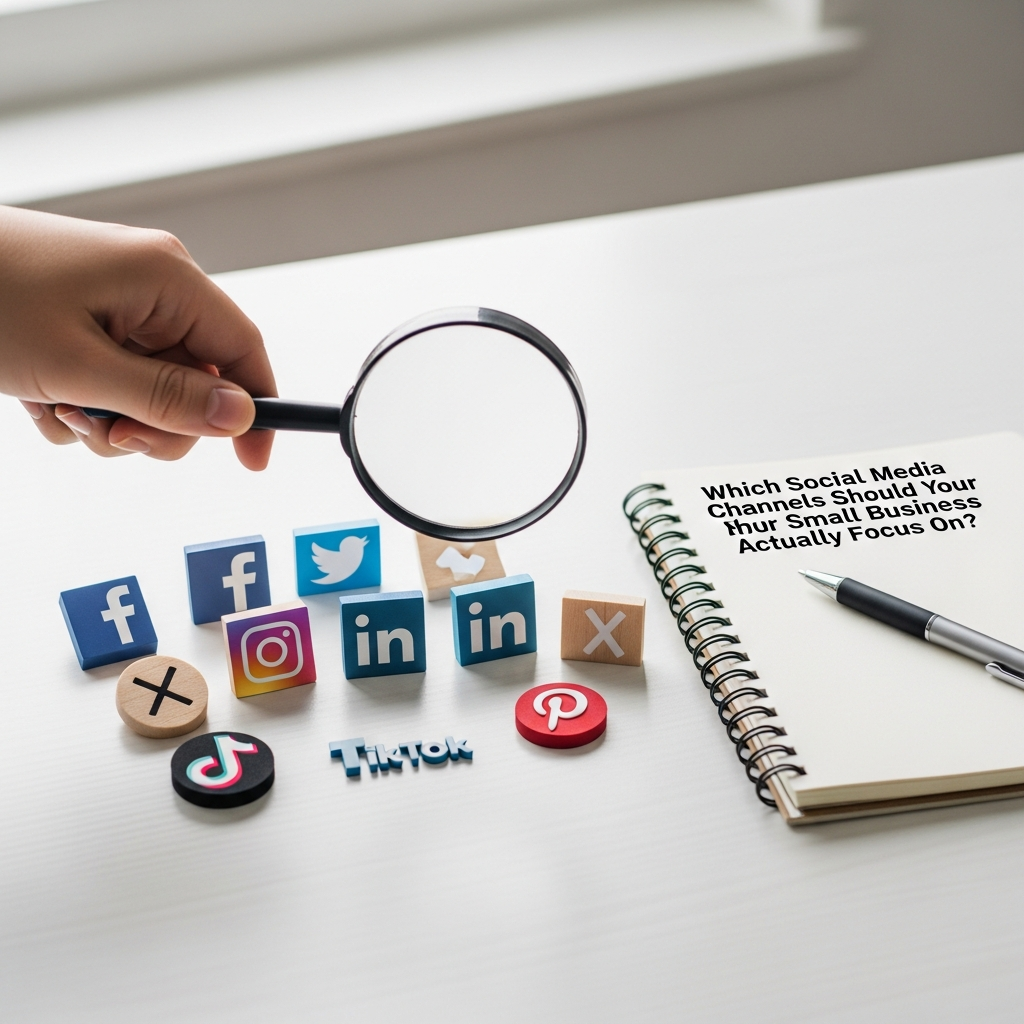
Which Social Media Channels Should Your Small Business Actually Focus On?
Why Choosing the Right social media usage data Matters for Small Business Success
Small business owners face a common dilemma when building their presence across social media channels. With top social platforms ranked available, spreading efforts across every social media channel seems like the obvious choice. However, this approach often leads to mediocre results and complete exhaustion. Your time and resources are limited, making strategic channel selection crucial for sustainable growth.
The key lies in understanding where your ideal customers spend their time online. Different demographics gravitate toward specific platforms for distinct reasons. Your 25-year-old customers might scroll through Instagram for inspiration, while your 45-year-old clients prefer Facebook for community discussions. Matching your business goals with the right audience behavior creates the foundation for social media success.
Quality always trumps quantity when it comes to social media marketing. Three well-managed channels with consistent, engaging content outperform ten neglected profiles every time. Focus allows you to understand each platform’s unique culture, timing, and content preferences. This targeted approach leads to stronger engagement, better brand recognition, and ultimately more customers walking through your doors.
Smart channel selection also impacts your budget and automation strategy significantly. Each platform requires different content formats, posting schedules, and engagement approaches. Concentrating on fewer channels means better tools and higher-quality content. You can also build deeper relationships with your audience. This focused strategy sets the stage for long-term business growth and sustainable marketing efforts.
The Big Four Social Media Channels Every Small Business Should Consider
Facebook remains the heavyweight champion for small business marketing, with over two billion active users worldwide. Its diverse user base spans multiple age groups, making it ideal for businesses targeting broad demographics. The platform excels at community building, local business promotion, and detailed audience targeting through advertising. Facebook’s business tools also provide excellent analytics and customer service capabilities through Messenger.
Instagram captures the attention of younger demographics and visual-focused industries like restaurants, retail, and creative services. High-quality photos and videos make it perfect for showcasing products and brand personality. Behind-the-scenes content performs especially well here too. Stories and Reels offer additional engagement opportunities, while Instagram Shopping features turn posts into direct sales channels. This visual platform works exceptionally well for businesses with photogenic products or services.
LinkedIn dominates the professional networking space, making it essential for B2B companies and service-based businesses. The platform allows you to establish thought leadership, share industry insights, and connect with potential business partners. LinkedIn’s professional atmosphere creates trust and credibility, especially for consultants, coaches, and professional service providers. The platform’s publishing features also help position your business as an industry expert.
YouTube serves as the world’s second-largest search engine, offering tremendous opportunities for businesses willing to create video content. Educational content, product demonstrations, and customer testimonials perform exceptionally well on this platform. YouTube’s search functionality helps new customers discover your business organically, while the platform’s advertising options provide additional reach. Among all social media channels, YouTube offers some of the longest-lasting content value and highest engagement rates.
How to Match Your Business Type with the Perfect Social Media Channels
Local service businesses like restaurants, salons, and repair shops should prioritize Facebook and Instagram for maximum impact. These platforms excel at local discovery, customer reviews, and visual storytelling that showcases your work. Facebook’s local business features help customers find your location, hours, and contact information easily. Instagram’s visual nature perfectly displays finished projects, happy customers, and day-to-day operations that build trust and credibility.
B2B service providers including consultants, agencies, and software companies find their sweet spot on LinkedIn and YouTube. LinkedIn’s professional environment creates the perfect space for sharing industry expertise and connecting with decision-makers. YouTube allows you to demonstrate your knowledge through educational content, case studies, and thought leadership videos. These social media channels build authority and trust essential for high-value business relationships.
E-commerce businesses should focus their energy on Instagram and Facebook for optimal sales results. Instagram’s shopping features turn your feed into a virtual storefront. Facebook’s detailed targeting reaches customers who are ready to purchase. Both platforms support video content that showcases products in action, customer testimonials, and behind-the-scenes manufacturing processes. The visual nature of these channels perfectly complements product-based businesses looking to drive online sales.
Creative professionals such as photographers, designers, and artists thrive on Instagram and YouTube where visual content reigns supreme. Instagram provides the perfect gallery space for portfolio pieces, work-in-progress shots, and client features. YouTube offers opportunities for tutorials, time-lapse creation videos, and longer-form storytelling about your artistic process. These platforms help creative businesses build large, engaged audiences that translate into commissioned work and product sales.
Creating Your Social Media Channel Strategy and Getting Started
Begin your social media journey by analyzing your current customer base and their online behavior patterns. Survey existing customers about their preferred platforms and content consumption habits. This research reveals where your audience already spends time, eliminating guesswork from your channel selection process. Understanding your customers’ preferences ensures your content reaches the right people at the optimal times for engagement.
Start with just two social media channels to maintain quality and consistency in your posting schedule. Choose one primary platform where you’ll invest most of your energy and one secondary channel for broader reach. This focused approach allows you to master each platform’s unique features, posting optimal times, and content preferences. As you build confidence and systems, you can gradually expand to additional channels without sacrificing content quality.
Develop a content calendar that aligns with each platform’s best practices and your business goals. Different social media channels require varying posting frequencies and content types for maximum effectiveness. Instagram might need daily posts with strong visuals. LinkedIn could perform better with three weekly thought leadership articles. Planning ahead ensures consistent presence without the daily stress of creating content from scratch.
Track your results carefully using each platform’s native analytics tools to understand what resonates with your audience. Monitor engagement rates, follower growth, and most importantly, leads and sales generated from each channel. This data helps you double down on successful strategies and adjust underperforming approaches. Regular analysis ensures your social media efforts contribute directly to business growth rather than just vanity metrics.
Ready to streamline your social media management across multiple channels? AutoMarketer AI takes the guesswork out of content creation and scheduling. Focus on running your business while our AI handles your social presence. Contact us today to learn how our platform can transform your social media strategy. For a comprehensive overview of social media automation strategies, check out our Complete Guide to Social Media Automation for Small Business for the complete overview.
Leave a Comment