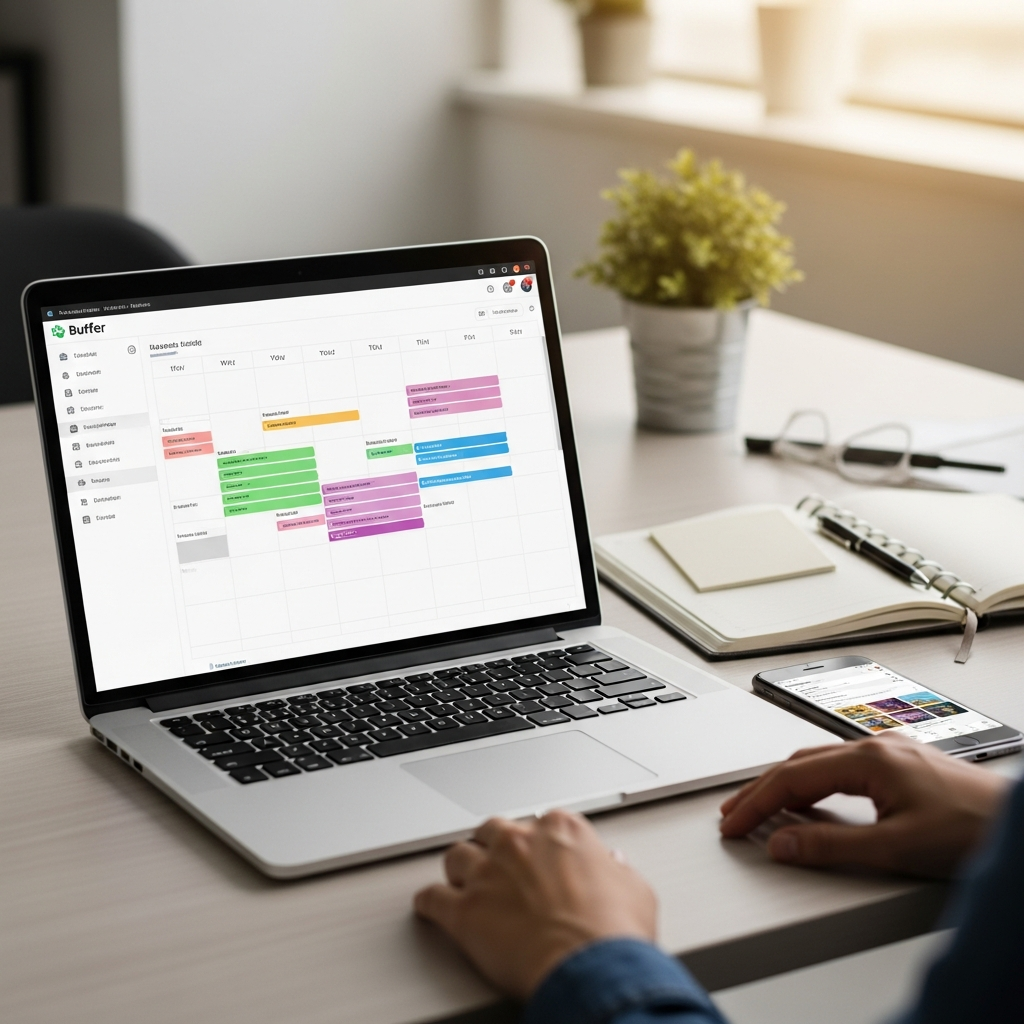
How to Schedule Social Media Posts Without Marketing Skills
Why Small Business Owners Struggle with Social Media Posting
Small business owners face a constant challenge when it comes to finding time to schedule social media marketing guide effectively. You know you need to post grow your small business your business. Yet finding time to create content, write captions, and schedule social media posts feels overwhelming. Most days, you’re already juggling customer service, inventory, finances, and countless other responsibilities.
The pressure to maintain a consistent online presence never stops. Your competitors seem to post engaging content daily while you struggle to remember your last Facebook update. Traditional marketing advice assumes you have hours to spend crafting the perfect post. In reality, you need solutions that work around your packed schedule, not against it.
Marketing expertise shouldn’t be a prerequisite for business success. You became an entrepreneur to solve problems and serve customers, not to become a social media expert. The good news is that modern technology can bridge this gap. Smart automation tools now make it possible to schedule social media presence without extensive marketing knowledge.
Many small business owners fall into these common traps that sabotage their success:
- Posting sporadically whenever they remember – This inconsistent approach confuses algorithms and frustrates potential customers who never know when to expect new content. Social media platforms reward regular activity, so sporadic posting actually hurts your visibility.
- Treating all social media platforms identically – Facebook users engage differently than Instagram followers, and LinkedIn audiences expect professional content compared to TikTok’s casual atmosphere. Successful businesses tailor their message to each platform while maintaining their core brand identity.
- Overlooking engagement opportunities – Simply posting content without responding to comments or messages signals that you don’t value customer interaction. Social media works best as a two-way conversation, not a broadcasting platform.
The Smart Way to Schedule Social Media Content
Successful social media management starts with understanding that consistency beats perfection every time. Your audience values regular, helpful content more than occasional masterpieces. This mindset shift makes social media marketing much more manageable for busy business owners. Focus on showing up regularly rather than creating viral content.
Planning your content in advance eliminates the daily stress of wondering what to post. When you schedule social media posts ahead of time, you free up mental space for other business priorities. Batch creation and scheduling also helps maintain a cohesive brand voice across all your platforms.
Modern scheduling tools handle the technical complexities while you focus on your business message. The best platforms adapt to each social network’s unique requirements automatically. They resize images, optimize posting times, and format your content appropriately for each channel. This automation ensures professional results without requiring platform-specific expertise.
Smart scheduling also means leveraging peak engagement times without being glued to your phone. Your content reaches the right audience at the right moment, even when you’re busy with customers. This strategic timing can significantly improve your social media performance without additional effort on your part.
Content Ideas That Actually Drive Business Results
Behind-the-scenes content builds authentic connections with your audience while requiring minimal preparation. Show your workspace, introduce team members, or document your daily business operations. This type of content humanizes your brand and helps customers feel connected to your business story without requiring extensive planning or production value.
Educational posts position you as an industry expert while providing genuine value to your followers. Share quick tips, answer frequently asked questions, or explain common misconceptions in your field. This approach builds trust and demonstrates your expertise without sounding overly promotional or sales-focused.
Customer success stories and testimonials create powerful social proof that influences purchasing decisions. Feature satisfied customers, showcase completed projects, or share positive reviews with permission. This content type practically creates itself and provides authentic marketing material that resonates with potential customers.
Industry news and trends keep your content fresh while establishing your business as a knowledgeable industry player. Comment on relevant developments, share helpful articles, or explain how industry changes affect your customers. This approach positions your business as current and informed without requiring original content creation.
Essential Tools That Make Social Media Management Simple
The right software transforms social media from a time-consuming chore into a streamlined business process. Look for platforms that offer intuitive interfaces designed for non-marketers. These tools should simplify rather than complicate your workflow. User-friendly dashboards allow you to manage multiple social networks from one central location.
AI-powered content creation takes the guesswork out of social media posting. Advanced algorithms can generate relevant, engaging content based on your business type and audience. This technology eliminates writer’s block and ensures you always have fresh content ready. When you schedule social media posts using AI assistance, you maintain consistency without sacrificing quality.
Integration capabilities matter more than fancy features you’ll never use. Choose tools that connect seamlessly with your existing business systems. The best solutions work quietly in the background, requiring minimal ongoing attention. They should enhance your current workflow rather than forcing you to learn entirely new processes.
Analytics and reporting features help you understand what resonates with your audience over time. However, these insights should be presented in simple, actionable formats. Complex data analysis shouldn’t be required to improve your social media performance. Look for tools that translate metrics into clear recommendations you can implement immediately.
Building Your Automated Social Media System
Start your automation journey by identifying your business’s unique value proposition and target audience. This foundation guides all your social media content, whether created manually or automatically. Understanding who you serve and how you help them ensures your automated posts remain relevant and engaging.
Establish a content calendar that reflects your business rhythm and customer needs. Plan posts around product launches, seasonal trends, and industry events relevant to your audience. When you schedule social media content systematically, you create a predictable flow of valuable information. This consistency builds trust and keeps your business top-of-mind.
Set up your automation system during a quiet period when you can focus without distractions. Take time to explore features and customize settings to match your brand voice. Most platforms offer templates and suggestions that speed up the initial setup process. Investing time upfront saves countless hours later and ensures better long-term results.
Regular monitoring and adjustment keep your automated system performing optimally. Schedule brief weekly reviews to assess performance and make necessary tweaks. This doesn’t require extensive analysis – simply note what’s working and what isn’t. Small, consistent improvements compound over time to create significant results.
Measuring Success Without Getting Lost in Data
Focus on metrics that directly connect to your business goals rather than vanity numbers that look impressive but don’t drive revenue. Track website clicks, lead inquiries, and actual sales generated from social media rather than just likes and shares. These meaningful metrics help you understand whether your social media efforts contribute to business growth. Create a simple spreadsheet to track conversion rates from each social platform weekly. Record how many followers actually visit your website or contact you directly. Calculate the cost per lead by dividing your social media investment by qualified inquiries. Monitor which platforms generate the highest-value customers, not just the most traffic. Track email signups from social media to measure long-term relationship building potential. Document which specific posts or campaigns led to actual purchases or bookings. Review monthly revenue attribution to see which social efforts drive real business results.
Monitor engagement patterns to understand when your audience is most active and responsive. Pay attention to which types of content generate the most meaningful interactions, not just the highest numbers. Quality engagement from potential customers matters more than high engagement from users who will never buy from you. Use platform analytics to identify peak activity hours for your specific audience. Track which content formats generate inquiries versus simple reactions or comments. Educational posts often produce higher-quality leads than purely promotional content. Behind-the-scenes content typically builds stronger emotional connections with potential customers. Question-based posts encourage meaningful dialogue that reveals customer pain points and needs. Video content usually generates longer engagement times than static images or text. Save successful post formats as templates for future content creation. Document seasonal engagement trends to optimize your posting calendar throughout the year.
Set realistic expectations and timeline for schedule social media results. Building an engaged following takes time, and business results often lag behind social media metrics by several months. Consistency over extended periods produces better results than sporadic bursts of activity followed by long periods of silence. Plan for at least six months before expecting significant business impact from social efforts. New accounts typically need 90 days of regular posting to establish algorithmic visibility. Follower growth averages 10-15% monthly for businesses posting consistently across multiple platforms. Lead generation from social media usually increases after the third month of active engagement. Content that performs well today may not show business results for 30-60 days. Plan your content calendar at least one month in advance to maintain consistency. Track progress weekly but evaluate overall strategy success on quarterly intervals only.
Leave a Comment